
Event Summary Blog By Sarah Shnouda, Adham Hamdy, and Dalia El Sabbagh Introduction The Middle East and North Africa (MENA) region is witnessing a decline in food security due to the repercussions of the wars in Ukraine, the war in Sudan, the protracted crises in Yemen, and the state of global inflation of food prices, […]
Annual Technical Report 2022: CGIAR Initiative on National Policies and Strategies (NPS)
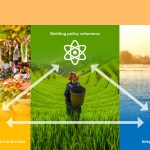
National Policies and Strategies aims to enhance the coherence of policy engagement across CGIAR Initiatives, building shared analytical capacity at national and subnational levels, developing communities of policy practice, responding to policy demand and supporting rapid crisis response (see graphic). These activities will inform more effective and efficient country-level policymaking, benefiting millions more people, including the poorest and most food insecure living in vulnerable environments.
NEW PUBLICATION | Smallholder Farmers’ Participation in Profitable Value Chains and Contract Farming: Evidence from Irrigated Agriculture in Egypt

Agri-food value chains continue to trigger significant interest in both research and public policy discourse. This is not surprising given the importance and resilience of the agri-food value chains in domestic and global food systems. The transition of smallholder farmers from production geared towards meeting household food demands to production for maximizing income and profitability motives is of key importance for developing countries (Otsuka et al. 2016)
موجز تقرير السياسة الغذائية العالمية

اعادة التفكير فى طرق الاستجابة للأزمة الغذائية لقد واجه العالم الكثير من الازمات خلال عام 2022. واستمرت معاناة النظم الغذائية من تداعيات جائحة كوفيد-19 المطولة، والكوارث الطبيعية الكبرى، والاضطرابات المدنية، وحالة عدم الاستقرار السياسي، والاثار المتزايدة لتغير المناخ، وتفاقمت ازمة الغذاء والأسمدة العالمية نتيجة الحرب الروسية الأوكرانية والتضخم. أدى تزايد عدد الأزمات وتأثيرها المتصاعد، وارتفاع […]
NEW PUBLICATIONS: From Food Subsidies to Cash Transfers: Assessing Economy-Wide Benefits and Trade-Offs in Egypt
Food is a vital part of poor households' budgets and so subsidizing staple foods would appear to be an obvious pro-poor policy. Indeed, most countries in North Africa have prioritized large national subsidy programs for staple foods and fuels as their main social safety net
- « Previous Page
- 1
- …
- 4
- 5
- 6
- 7
- 8
- …
- 39
- Next Page »