Effective targeting strategies are vital for almost all development programs. Universal approaches which provide aid to all individuals regardless of need are not always feasible given limited budgets and varying development priorities. Conversely, targeting directs resources to those in greatest need, ensures efficient allocation while upholding principles of social justice, equality, and the right to assistance.
BEP Seminar Series: Climate-smart agriculture and development practices in Egypt
Egypt stands at a critical juncture, facing significant environmental stresses exacerbated by climate change, despite being a relatively minor contributor[1] to global greenhouse gas emissions. The nation’s already hot and arid climate is experiencing increasing average temperatures, with projections indicating continued increases. Climate change significantly impacts Egypt’s agricultural sector[2], a vital contributor to the country’s GDP, foreign cash reserves, food security, and employment. Absent adaptation, rising temperatures, increased land salinity due to rising sea levels in the Nile Delta, limited surface water resources and rapid exploitation of groundwater resources will reduce agricultural productivity in the future.
The Nexus of Water, Food and Energy (NWFE): Entry points for Food System Action | Perspectives from Egypt
Water, energy and food security are important human development goals that are closely inter-connected. Food systems rely heavily on the availability of energy and high-quality water. This connection spans nearly every stage of production and agricultural value chains, including aspects such as labor and mechanization, agro-chemicals, cooling, and transportation.
Egypt’s experience bridging cash transfers and an economic inclusion program for sustainable social protection

In 186 countries worldwide, cash transfer programs are the cornerstone of social protection, outnumbering social security or pension plans. These offer critical financial lifelines to vulnerable households, aiming to alleviate poverty by providing steady cash support. However, these programs can become long-term fiscal burdens for governments due to limited turnover of recipients, particularly when the programs do not lead to lasting reductions in poverty.
Solar Irrigation in Yemen: Promising Impacts Several Months Post Implementation
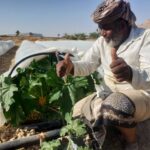
Technical support component of the intervention was in the form of technical training through agronomists and linking the beneficiaries with other market players such as input suppliers and microfinance institutions. Beneficiaries received technical training on the components and operation of solar-powered water pumps, including the different types available and their respective advantages and disadvantages, and the daily and periodic maintenance required to keep solar-powered pumps functioning optimally
- « Previous Page
- 1
- 2
- 3
- 4
- 5
- 6
- …
- 28
- Next Page »